
Launchpads
How a memecoin is born: bonding curve, migration to a DEX and how the platforms differ.
5 guides · about 53 min
0 of 5 read
 Part 1Memecoin launchpads: pump.fun, bonding curves and migrationHow a new token is born, what a bonding curve is and what it means when a token graduates to a DEX.
 Part 2How pump.fun works: the bonding curve, migration to PumpSwap, fees and risksHow a pump.fun token is created, where its price comes from on the bonding curve, when it moves to a PumpSwap pool, what every trade costs and how much of that the creator gets. Plus the usual traps and what to check before you buy.
 Part 3Four.meme and BNB Chain memecoins: the bonding curve, PancakeSwap, tax tokens and risksHow a four.meme token is created, what a trade costs on the bonding curve, when liquidity moves to PancakeSwap, what tax tokens are and how all of this differs from pump.fun. Plus gas in BNB, honeypots, copycats and snipers, and how to check a BNB Chain token on MEMECOINY.
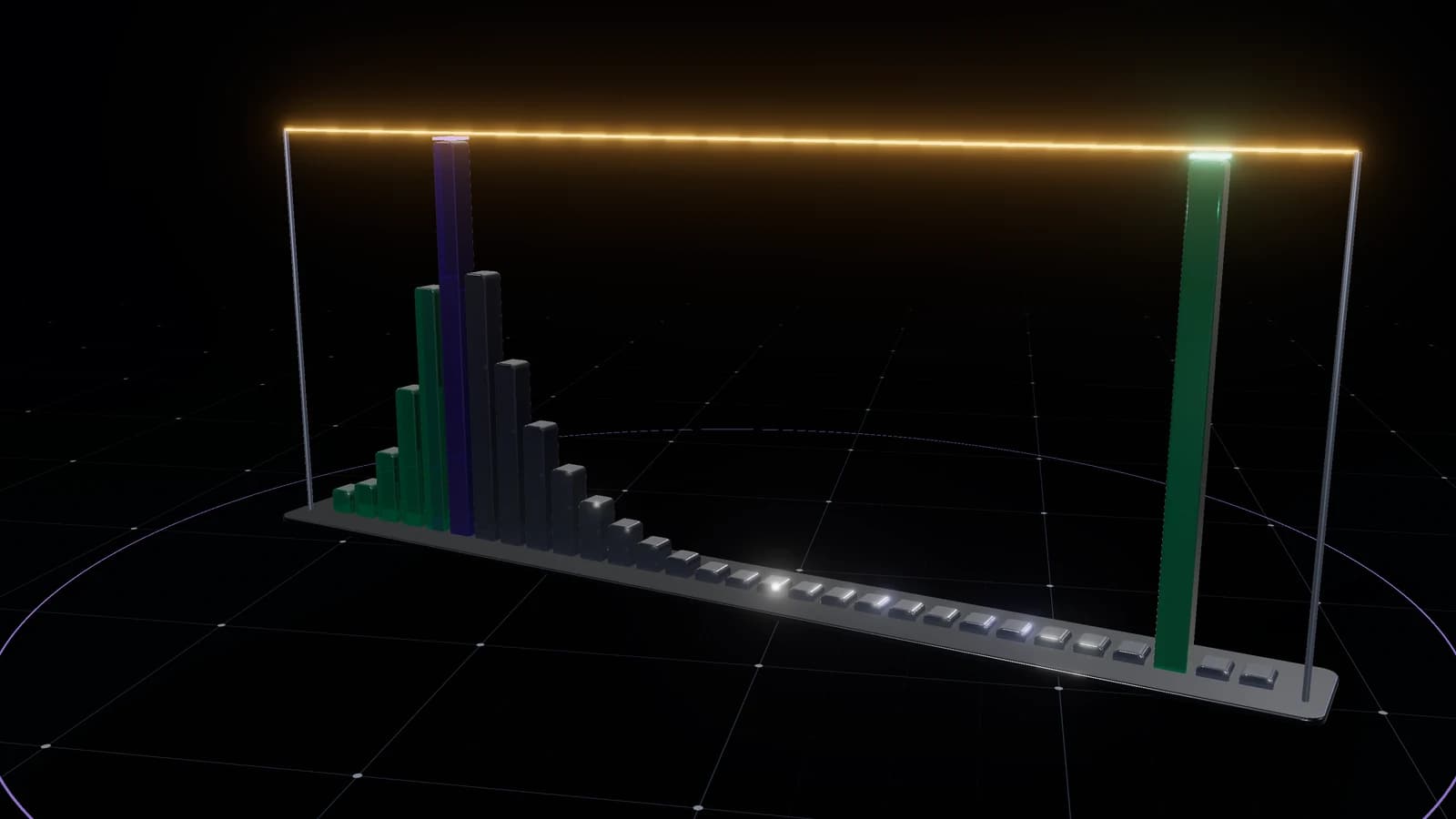 Part 4Why almost no memecoin gets back to its ATHThe peak comes fast and the comeback almost never does. We pull together the October 2026 data: how many days it takes to reach the ATH, how many tokens survive their first week at all, and why the way back grows faster than the loss. Figures whose source cannot be checked are clearly marked.
 Part 5Perps on a launchpad: pump.fun x Hyperliquid, liquidation, fees and risksSince 17 October 2026 pump.fun lets you open perps on BTC up to 40x and ETH up to 25x, executed by Hyperliquid. We explain margin, maintenance margin and liquidation with numbers, work out the fees on notional value and funding, and show why 40x on BTC is a completely different risk from a memecoin.